Begin with a small, accurate explanation
Choose a book, museum resource or community-authored account that names the place and people involved. Explain whether the occasion is a religious observance, a public holiday, a seasonal practice or a combination. Children can understand that different families do different things; you do not need to turn a varied tradition into a single tidy story.
A useful opening question is, “What do people want to remember, give thanks for or share on this occasion?” A useful follow-up is, “What do we still need to learn?” Keep uncertainty visible. If a source describes one region, say so rather than expanding its practices to an entire country.
Food: name the dish and its setting
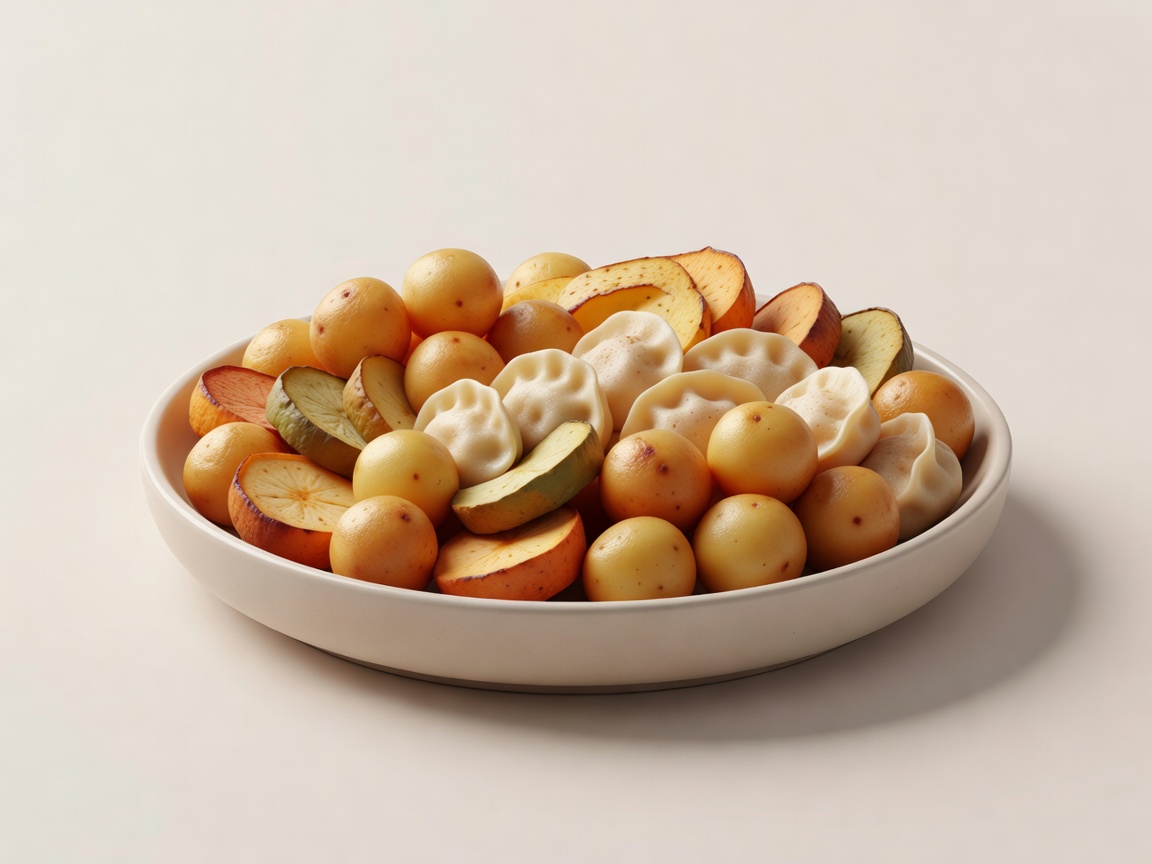
Traditional foods are often connected to symbolism, seasonality or hospitality. Mooncakes are associated with Mid-Autumn Festival, but fillings, pastry styles and family preferences vary. Tangyuan, round glutinous-rice balls, are associated with several occasions, including Lantern Festival in many communities. A shared ingredient does not mean two foods or celebrations are identical.
During Passover, many Jewish households hold a seder, a structured ritual meal with readings and symbolic foods. It is not simply a themed dinner menu. Practices also differ among Jewish communities. If you are learning from outside the tradition, study a reliable explanation or attend an explicitly welcoming educational event rather than inventing your own ritual and presenting it as equivalent.
Likewise, the foods shared around Eid al-Fitr vary widely between countries and households. Hospitality is important in many settings, but there is no single worldwide “Eid menu.” A recipe from a named community teaches more than a supposedly universal list.
Before cooking, check ingredients, cross-contact risks and dietary needs. Ask rather than assuming what “vegetarian,” halal, kosher or allergen-safe means for an individual guest. Use a complete, reliable recipe for food safety; this guide provides cultural context, not cooking temperatures or preservation instructions.
Decorations should keep their meaning
Simple folded-paper ornaments, seasonal flowers and reusable table decorations can support a learning activity. Be explicit when a design is a general craft rather than a ceremonial object. Avoid copying sacred symbols purely because they look attractive, and do not treat religious clothing or cultural dress as a costume activity.
For light-based decorations, use age-appropriate, battery-powered alternatives where practical. Keep paper, fabric and plants away from heat. Follow product instructions and local fire rules. Sky lanterns can create fire, wildlife and litter risks and may be restricted; a tabletop paper craft is a safer way to explore shape and light without releasing anything outdoors.
Four numbered activities that leave room for context
Build a labelled calendar. Put the place, calendar system and source beside each occasion. Use removable notes for dates awaiting local confirmation.
Compare two explanations. Read accounts from different regions or families. Ask what is shared and what differs, without deciding one is the only correct experience.
Make an ordinary paper ornament. Use simple folds and safe tools. Label it as your family's craft, not a replica of a sacred or ceremonial design.
Share a memory. Invite each person to describe a celebration important to them. Listening can be more meaningful than adding another decorative activity.
Make inclusion part of the plan
In a mixed-belief household or classroom, make participation optional and explain activities in neutral language. Learning about worship is not the same as asking someone to worship. Provide an alternative for anyone who does not want to eat a food, handle a material or take part in a particular activity.
Think about sensory needs too. Bright lights, loud music, strong scents and crowded tables can overwhelm people. A quieter corner and a predictable sequence help make a shared occasion genuinely welcoming. The goal is not perfect performance; it is a considerate experience with accurate context.